



Framed or unframed, desk size to sofa size, printed by us in Arizona and Alabama since 2007. Explore now.
Shorpy is funded by you. Patreon contributors get an ad-free experience.
Learn more.



- Baldwin 62303
- Baldwin VO-1000
- Cold
- No expense spared
- Tough Guys
- Lost in Toyland
- And without gloves
- If I were a blindfolded time traveler
- Smoke Consumer Also Cooks
- Oh that stove!
- Possibly still there?
- What?!?
- $100 Reward
- Freeze Frame
- Texas Flyer wanted
- Just a Year Too Soon
- WWII -- Replacing men with women at the railroad crossing.
- Yes, Icing
- You kids drive me nuts!
- NOT An Easy Job
- I wonder
- Just add window boxes
- Icing Platform?
- Indiana Harbor Belt abides
- Freezing haze
- Corrections (for those who care)
- C&NW at Nelson
- Fallen Flags
- A dangerous job made worse
- Water Stop

Photos submitted by Shorpy members!
Print Emporium




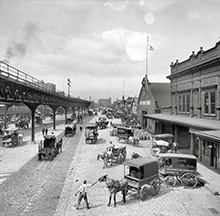

Ford Woody: 1922
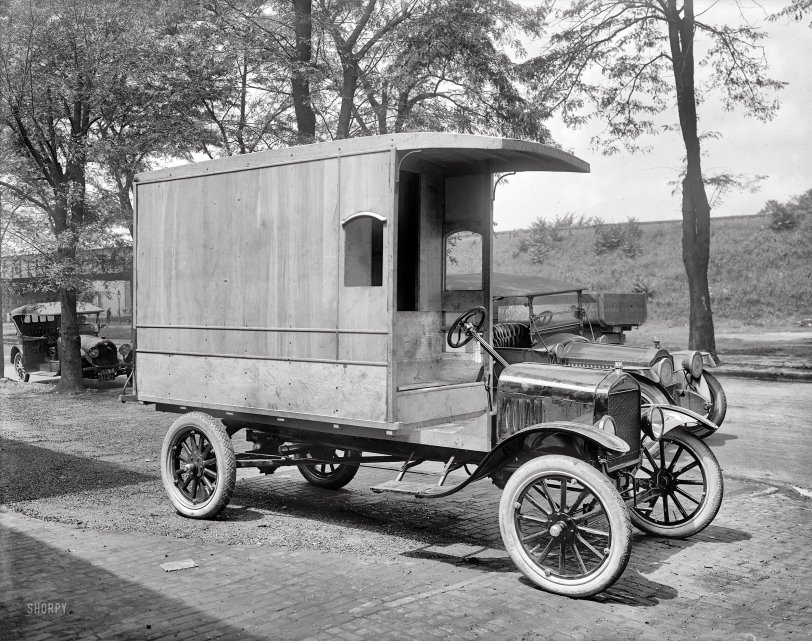
Washington, D.C., 1922. "J.C.L. Ritter -- Polli Food Products truck." National Photo Company Collection glass negative. View full size.
Warner Lens
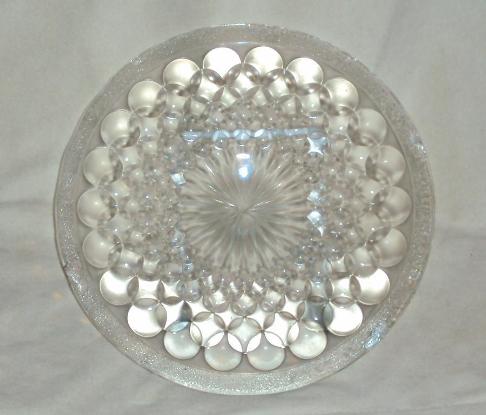
Here is a closeup of the Warner headlamp lens introduced in 1912. Production stopped sometime in the late teens. There is an ad for the lenses here: http://the-master-craftsman.blogspot.com/2010/12/patented-in-1912-two-wa...

Ford Truck Chassis
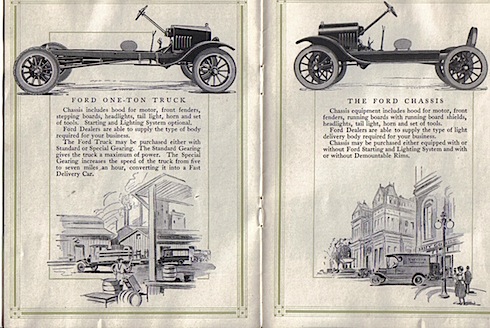
Ford supplied the bare chassis, the dealer or the buyer supplied the body.
Carpentry and axle
Carpentry and axle grease...Rapture!
Yes, Lenses
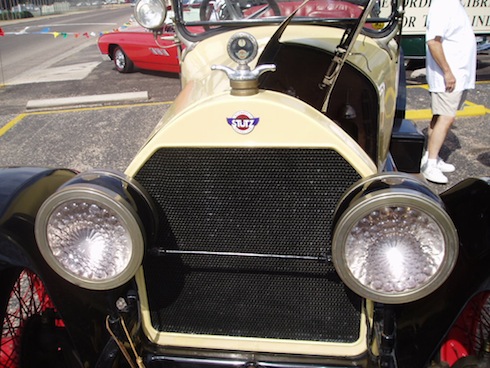
Yes, those are glass lenses on the Packard. Possibly from the Warner Lens Co. Here is a similar set on a Stutz.
Note the Tires
The Ford is equipped with non-skid tires. If you don't believe me, you can read it for yourself: The words "NON-SKID" make up the siping (tread pattern).
Plywood?
Seems they took advantage of a relatively new product, the plywood industry was born around 1905-7 in Oregon although the Egyptians and Chinese had forms of it 3500 years back.
Nothing personal
Could these vehicles be destroyed by termites? (No offense to tterrace).
Heavy Load - Unloaded
This woody must have been for lightweight goods transport - eggs, bread, etc., since the weight of all that wood is a major load all by itself. Love the trim over the side window.
Classic trucks
I really like these old-fashioned cars and trucks. Hard to ride on, difficult to drive, but sturdy and resistent. Those wooden bodies lend them a certain look and feel I find really attractive. And they were very recyclable - once you wrecked the truck, you could use the remains of the body in the chimney.
Lamp Covers?
It's possible that those are protective lamp covers. Lots more rocks in the road and hard to find parts (no standardization of lamps yet, so probably needed to order to replace) created such a need.
Of course, in many jurisdictions these days, covers over headlights aren't legal, although you still see them, but in some sort of plastic.
More universally required these days are fenders and/or mudflaps, neither of which is on the Model T truck's rear wheels.
Vehicle ID's
L to R:Apperson Jackrabbit(note animal on radfiator core),Ford model TT (ton truck), Packard, unknown dump truck
What kind of headlights are those?
Check out the car right behind the Model T. What kind of headlights are those? Looks like a modern LED lens. Could this be some kind of gas fired light?
[You're seeing the pattern of the headlight lens. - tterrace]
 Shorpy.com is a vintage photography site featuring thousands of high-definition images. The site is named after Shorpy Higginbotham, a teenage coal miner who lived 100 years ago. Contact us | Privacy policy | Accessibility Statement | Site © 2024 Shorpy Inc.
On Shorpy:
Today’s Top 5