



Framed or unframed, desk size to sofa size, printed by us in Arizona and Alabama since 2007. Explore now.
Shorpy is funded by you. Patreon contributors get an ad-free experience.
Learn more.



- Baldwin 62303
- Baldwin VO-1000
- Cold
- No expense spared
- Tough Guys
- Lost in Toyland
- And without gloves
- If I were a blindfolded time traveler
- Smoke Consumer Also Cooks
- Oh that stove!
- Possibly still there?
- What?!?
- $100 Reward
- Freeze Frame
- Texas Flyer wanted
- Just a Year Too Soon
- WWII -- Replacing men with women at the railroad crossing.
- Yes, Icing
- You kids drive me nuts!
- NOT An Easy Job
- I wonder
- Just add window boxes
- Icing Platform?
- Indiana Harbor Belt abides
- Freezing haze
- Corrections (for those who care)
- C&NW at Nelson
- Fallen Flags
- A dangerous job made worse
- Water Stop
Photos submitted by Shorpy members!
Print Emporium



Shady Business: 1920
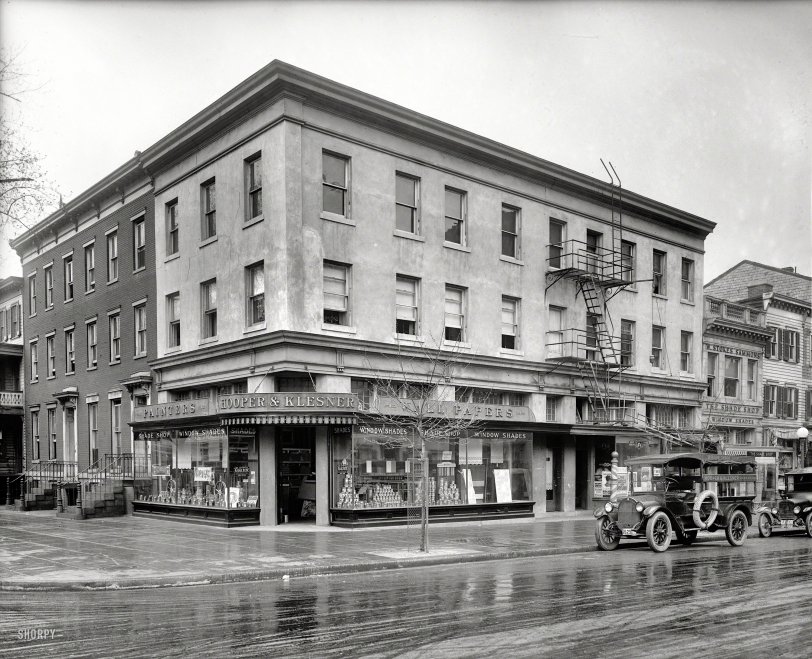
Washington, D.C., circa 1920. "Hooper & Klesner Building, 12th & H Streets." This block would seem to be Windowshade Central for the nation's capital. National Photo Company Collection glass negative. View full size.
Shade Wars
This photo may be closer to 1924. This reference notes that a war was going on between these two shade shops. The Shade Shop of W. Stokes Sammons, at far right, complained to the Federal Trade Commission that Hooper & Klessner, left, were using the name and style Shade Shop, Hooper & Klessner. The FTC sided with Sammons and ordered Klessner to cease and desist, but Klessner showed "no indication of an intention to comply with the order," and the commission on 13 May 1924 filed for enforcement. The matter was still pending when the fiscal year ended and was pending for the October 1924 term of the court.

Side Curtains & Soft Tops
"It is 1920 and motor vehicles still provide little protection from winter weather. Why is that? Was the market composed of drivers still used to the horse and buggy?"
Closed cars did not come into widespread use until the '30s. They were the usually the most expensive models in the line up through the teens and twenties. Another reason is that safety glass did not come into widespread use until about 1930. Add to that the the difficulty of manufacturing large pieces of sheet metal for the top and open cars remained the most desirable choice.
Wears Like Iron
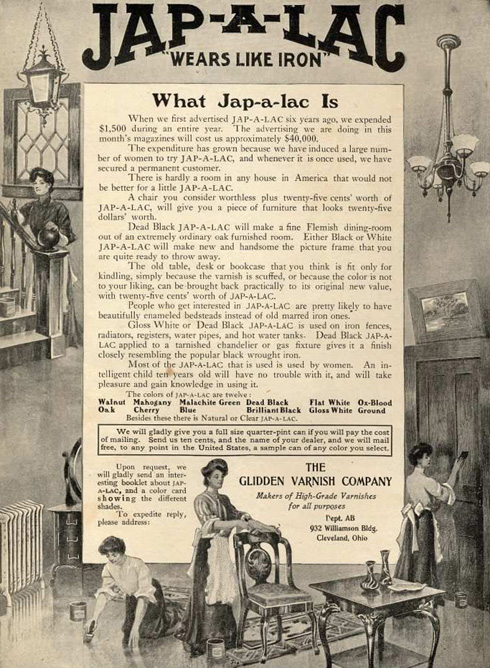
This advertisement includes the fact that "An intelligent child will have no trouble with it..."
One Stooge
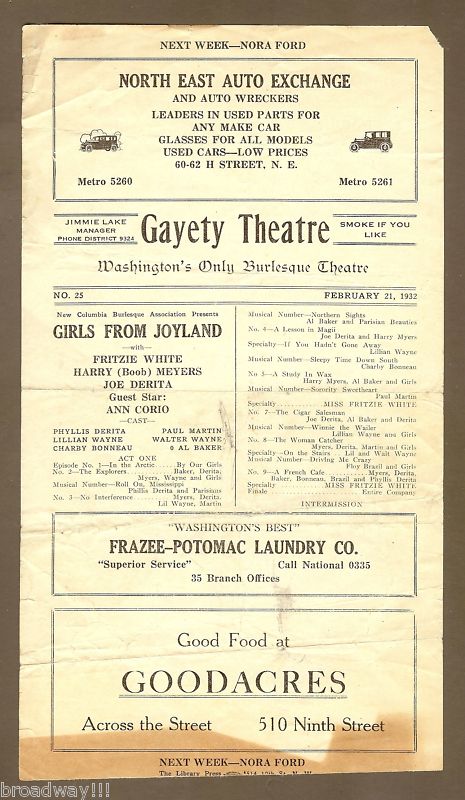
Joe DeRita, known as the Last Stooge, appears on the bill. Mr. DeRita often performed with his parents and Phyllis DeRita was probably his mother.
Disreputable?
Looks like a shady operation to me.
Smoke If You Like
It looks like the girls were around for a while. This is from 1932:
Vehicle ID
Oldsmobile canopy top curtain side express truck and Ford Model T with aftermarket wire wheels and bee hive shock absorbers.
Curtains
Helps explain a line I recently came upon in a 1919 letter written by my grandmother, about a car trip she took ("It started raining and we had to put the curtains down.")
Wildroot Cream Oil
Thanks to the superb clarity rendered in most of this site's photos, I saw a sign from my past: Wildroot Cream Oil. My father used it for years and I used it while in High School. Proverbial greasy kid stuff. Still available for purchase.
It is 1920 and motor vehicles still provide little protection from winter weather. Why is that? Was the market composed of drivers still used to the horse and buggy?
The Girls from Joyland
The posters in the barber shop window are interesting.
 Shorpy.com is a vintage photography site featuring thousands of high-definition images. The site is named after Shorpy Higginbotham, a teenage coal miner who lived 100 years ago. Contact us | Privacy policy | Accessibility Statement | Site © 2024 Shorpy Inc.
On Shorpy:
Today’s Top 5