


Framed or unframed, desk size to sofa size, printed by us in Arizona and Alabama since 2007. Explore now.
Shorpy is funded by you. Patreon contributors get an ad-free experience.
Learn more.



- Baldwin 62303
- Baldwin VO-1000
- Cold
- No expense spared
- Tough Guys
- Lost in Toyland
- And without gloves
- If I were a blindfolded time traveler
- Smoke Consumer Also Cooks
- Oh that stove!
- Possibly still there?
- What?!?
- $100 Reward
- Freeze Frame
- Texas Flyer wanted
- Just a Year Too Soon
- WWII -- Replacing men with women at the railroad crossing.
- Yes, Icing
- You kids drive me nuts!
- NOT An Easy Job
- I wonder
- Just add window boxes
- Icing Platform?
- Indiana Harbor Belt abides
- Freezing haze
- Corrections (for those who care)
- C&NW at Nelson
- Fallen Flags
- A dangerous job made worse
- Water Stop
Photos submitted by Shorpy members!
Prints



- Panoramas
- Kodachromes (Color Photos)
- Animals
- Aviation
- Bathing Girls!
- Bizarre & Weird
- Cars & Trucks
- Cities
- Civil War
- Colorized Photos
- Factories
- Farked
- Florida History
- iPhone Wallpaper
- Kids
- Kitchens
- Member Photos
- Mining
- Pretty Girls
- Railroads
- Streetcars
- Service Stations
- Sports
- Technology (Antiquated)
- tterrace
- WPA Posters
- World War II
- WW2 Color Photos
- All Galleries
Vintage photos of:
- Atlanta
- Atlantic City
- Baltimore
- Birmingham AL
- Boston
- Buffalo NY
- Charleston SC
- Chicago
- Cincinnati
- Cleveland
- Coney Island
- Detroit
- Indianapolis
- Los Angeles
- Louisville
- Memphis
- Miami
- Milwaukee
- Minneapolis
- New Orleans
- New York City
- Oklahoma City
- Philadelphia
- Pittsburgh
- Richmond
- San Francisco
- Savannah
- St. Louis
- Syracuse
- Toledo
- Vicksburg
- Washington DC
- And many more!
Our holdings include hundreds of glass and film negatives/transparencies that we've scanned ourselves; in addition, many other photos on this site were extracted from reference images (high-resolution tiffs) in the Library of Congress research archive. (To query the database click here.) They are adjusted, restored and reworked by your webmaster in accordance with his aesthetic sensibilities before being downsized and turned into the jpegs you see here. All of these images (including "derivative works") are protected by copyright laws of the United States and other jurisdictions and may not be sold, reproduced or otherwise used for commercial purposes without permission.
© 2024 SHORPY INC.
[REV 25-NOV-2014]
The Gambler: 1941
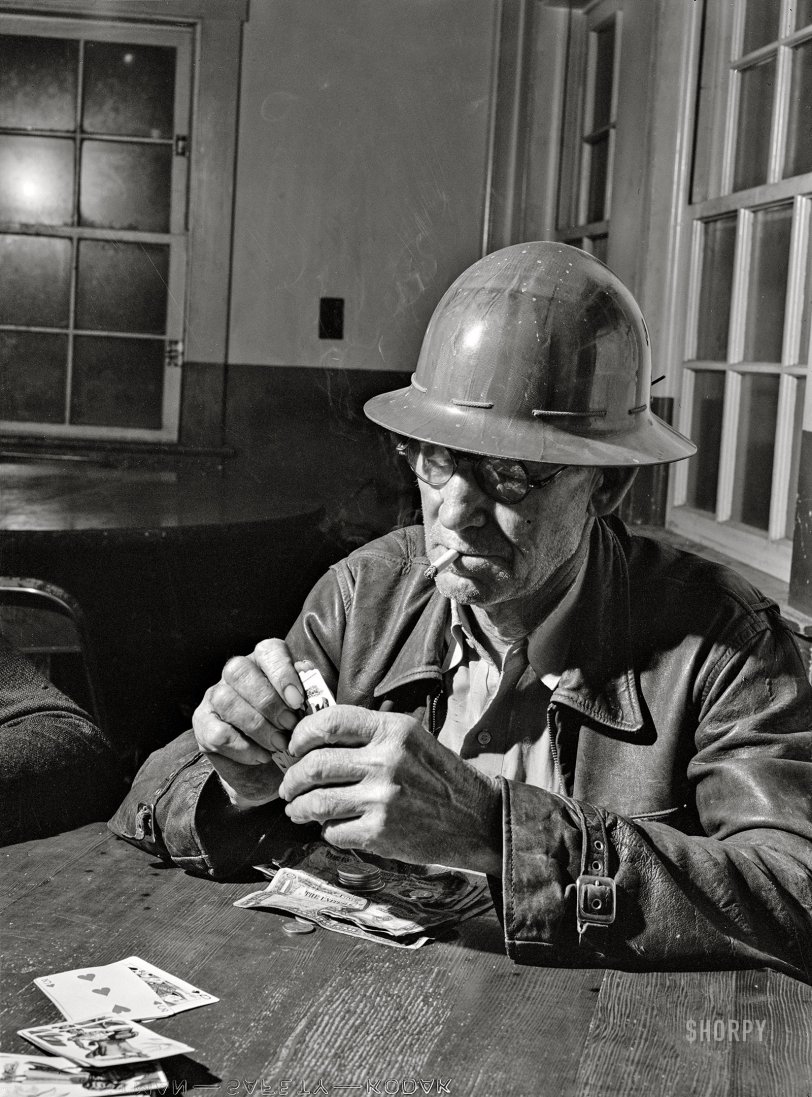
December 1941. "Workman at Shasta Dam plays poker. Shasta County, California." Medium format acetate negative by Russell Lee for the Farm Security Administration. View full size.
- 12 comments
- 6331 reads
Chicken Pharmacy: 1942
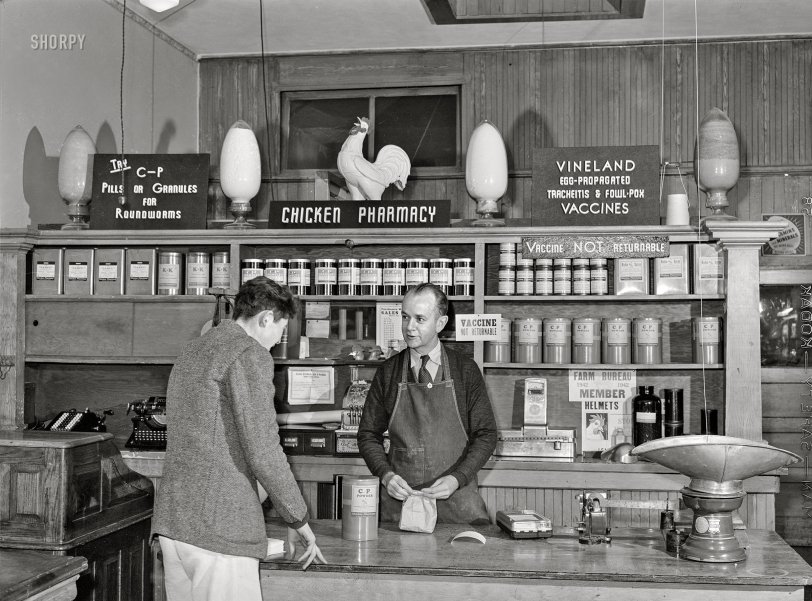
January 1942. "Petaluma, Sonoma County, California. In the chicken pharmacy. Poultry raising exclusively for egg production on a scientific basis." Medium format acetate negative by Russell Lee for the Farm Security Administration. View full size.
- 9 comments
- 6534 reads
The Ostrich: 1901
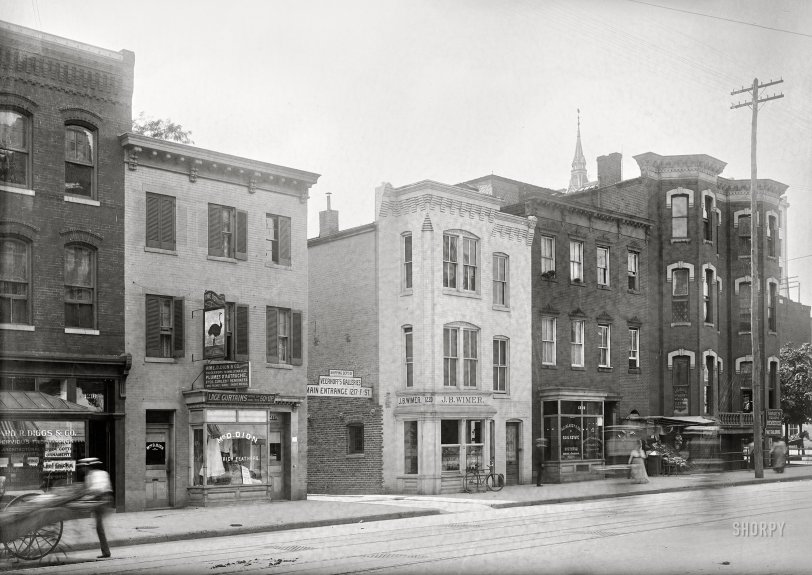
Washington, D.C., circa 1901. "View of G Street N.W., south side, between 12th & 13th, looking southwest." Where the businesses and merchants vying for our trade include Diggs & Co., dealer in Impervious Front Brick; Madame D. Dion de Paris, dyer, curler and renovator of plumes d'autruche, as well as a doer-up of lace curtains; and the Electric Parlors of Dr. Nevin B. Shade, purveyor of Eclectic Remedies ("Mostly, 25¢"). And yes, we have bananas, in addition to real estate and Fine Tailoring. 5x7 glass negative, D.C. Street Survey Collection. View full size.
- 9 comments
- 7819 reads
Wagons Ho: 1901
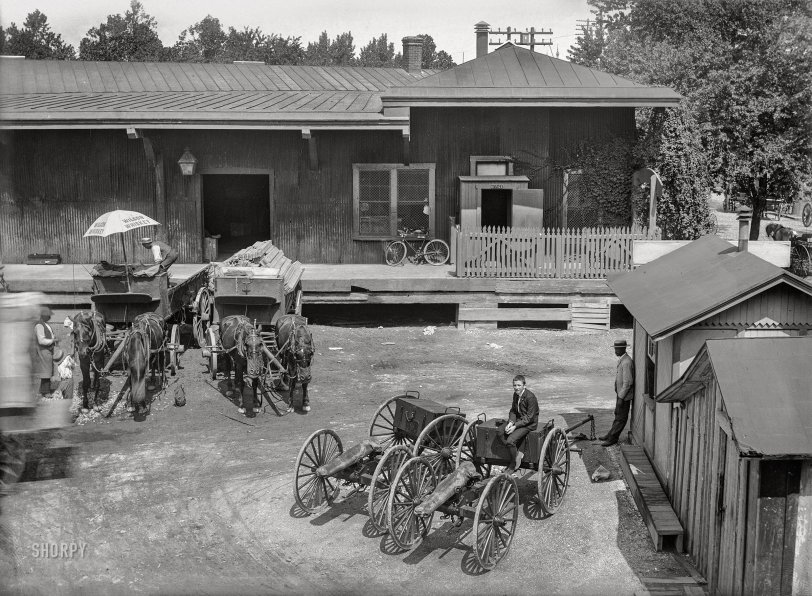
Washington, D.C., circa 1901. "View of S.W. Block 386, probably D Street side of Baltimore & Potomac Railroad freight station at Maryland & D, 9th & 10th Streets, showing man loading freight into delivery wagon." 5x7 glass negative, D.C. Street Survey Collection. View full size.
- 4 comments
- 7887 reads
Box Office: 1899
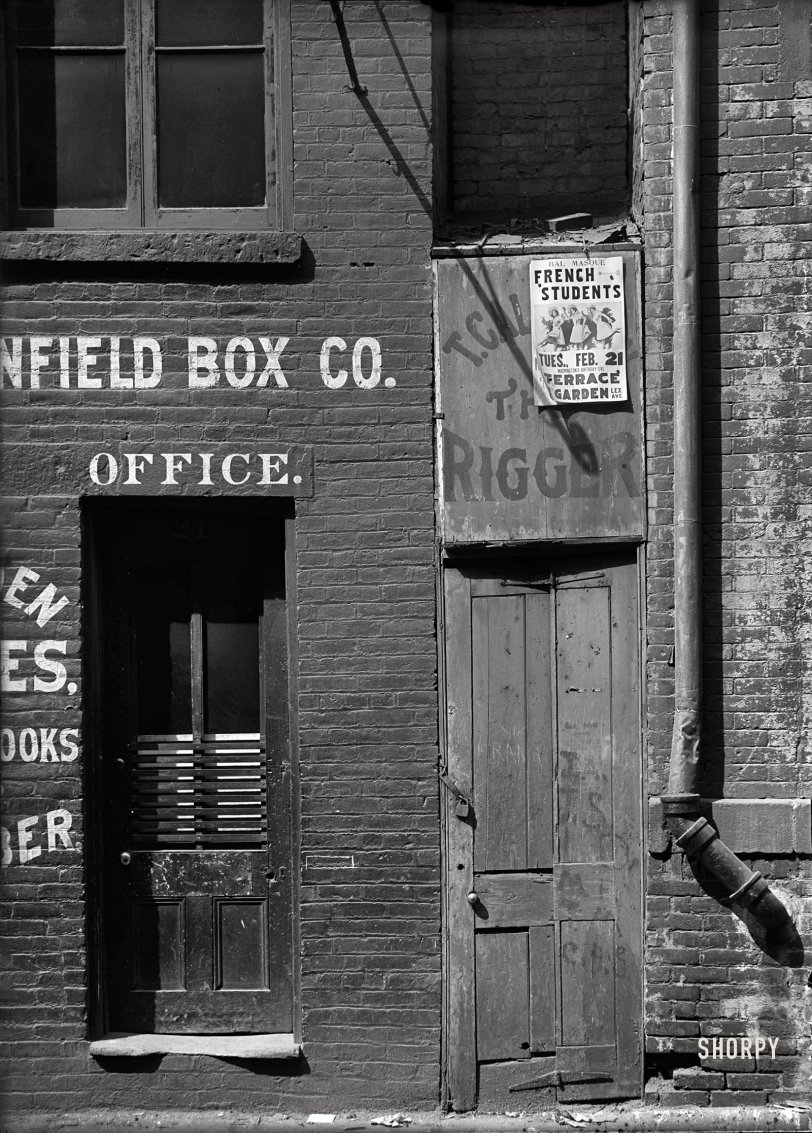
The Penfield Box Co. at 21 Gold Street.
Circa 1893-1899. "Doorways to two businesses, New York City." Tuesday at the Terrace Garden: the French Students' bal masque. Glass negative by Robert L. Bracklow. View full size.
- 4 comments
- 6746 reads
Into the Mystic: 1940
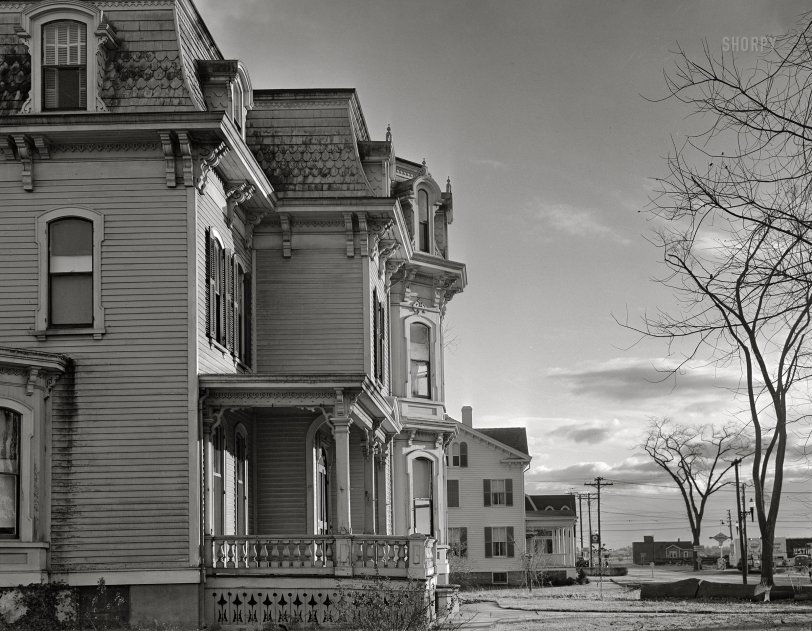
November 1940. "Houses, late afternoon. Mystic, Connecticut." The moldy manse last seen here. Acetate negative by Jack Delano for the Farm Security Administration. View full size.
- 4 comments
- 6934 reads
Cellar Dweller: 1940
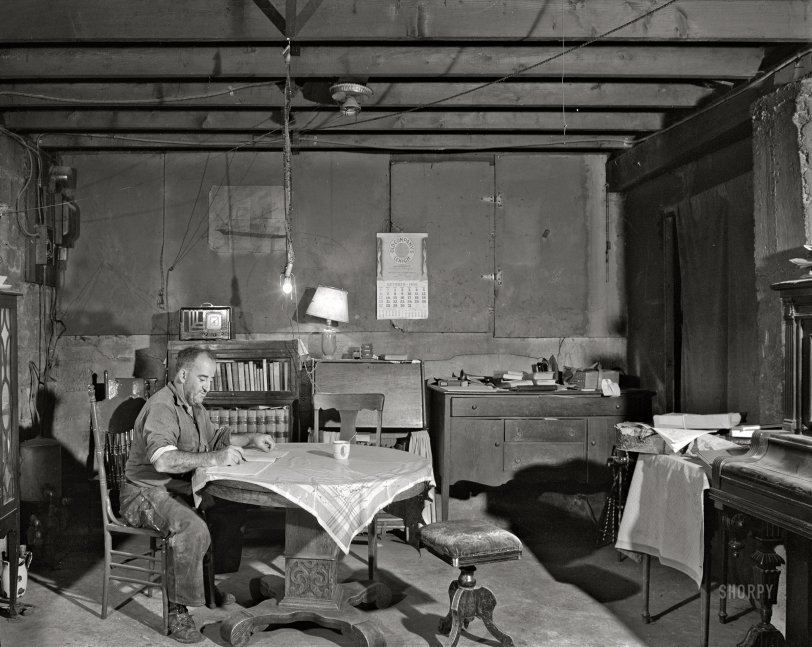
November 1940. "Mr. George Howe lives in the cellar of what was formerly his house. The top part was completely destroyed in the hurricane. He runs a small farm near Canterbury, Connecticut." Photo by Jack Delano for the Farm Security Administration. View full size.
- 9 comments
- 8944 reads
On the Border: 1940
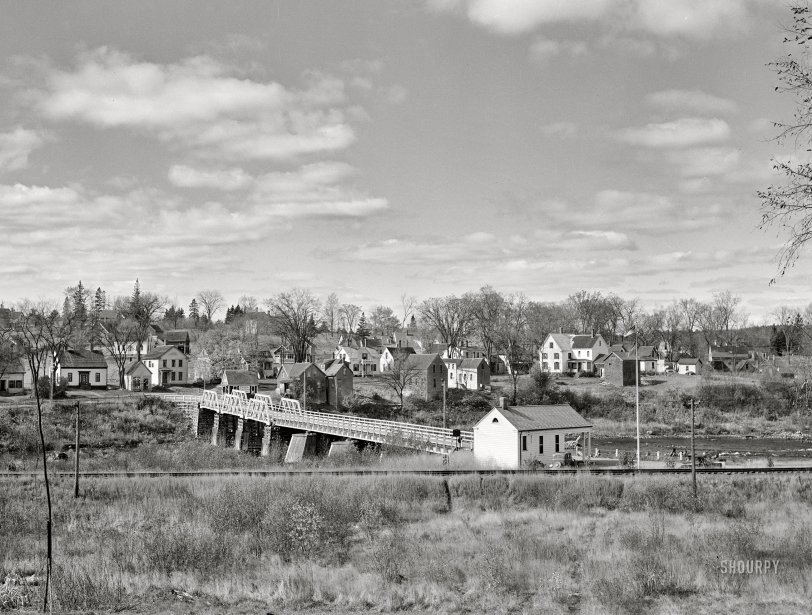
October 1940. "International bridge between Calais, Maine, and New Brunswick, Canada." Crossing the Saint Croix River to the town of Saint Stephen. Medium format acetate negative by Jack Delano for the Farm Security Administration. View full size.
- 6 comments
- 7558 reads
Gridle: 1942
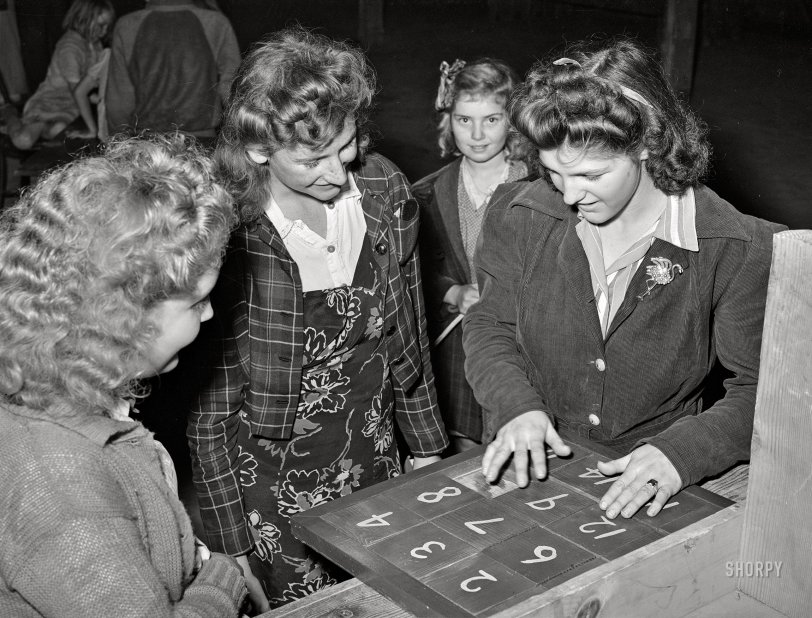
February 1942. Tulare County, California. "FSA farm workers' camp. Girls in the recreation room." Acetate negative by Russell Lee for the Farm Security Administration. View full size.
- 2 comments
- 5638 reads
Young Guns: 1940
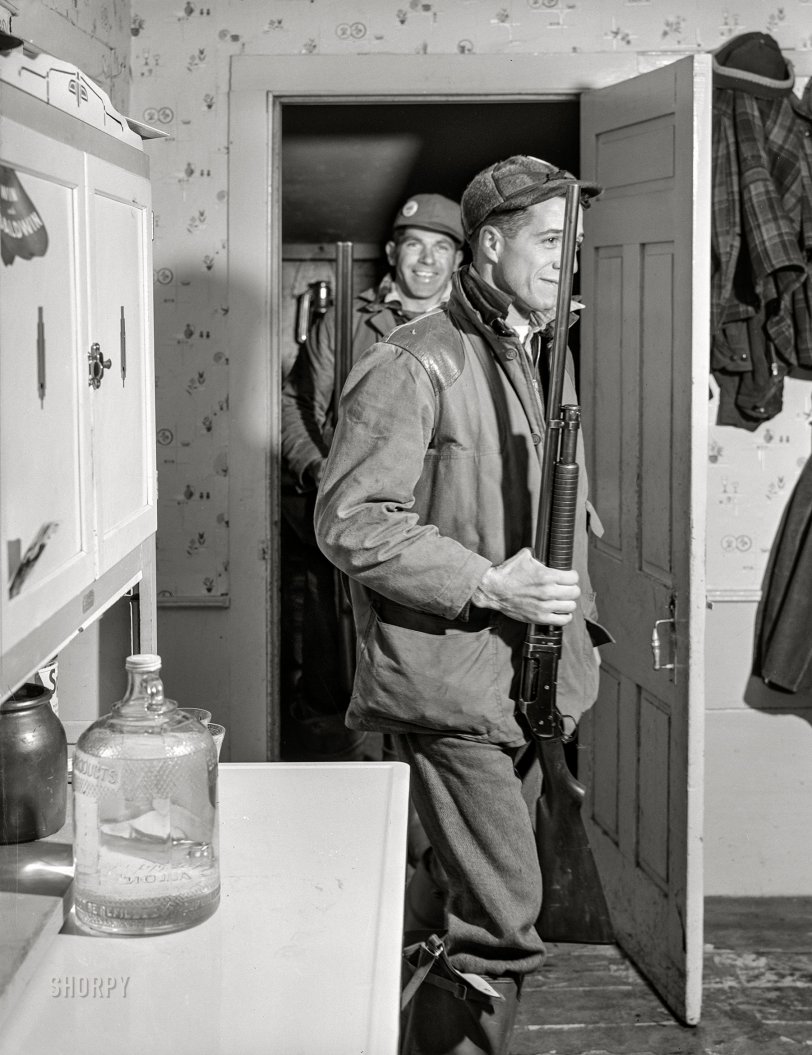
November 1940. Ledyard, Connecticut. "Two of the Crouch family boys coming home for the Thanksgiving Day dinner after a morning of hunting in the woods." Medium format acetate negative by Jack Delano for the Farm Security Administration. View full size.
- 11 comments
- 8283 reads
Peer Pressure: 1942
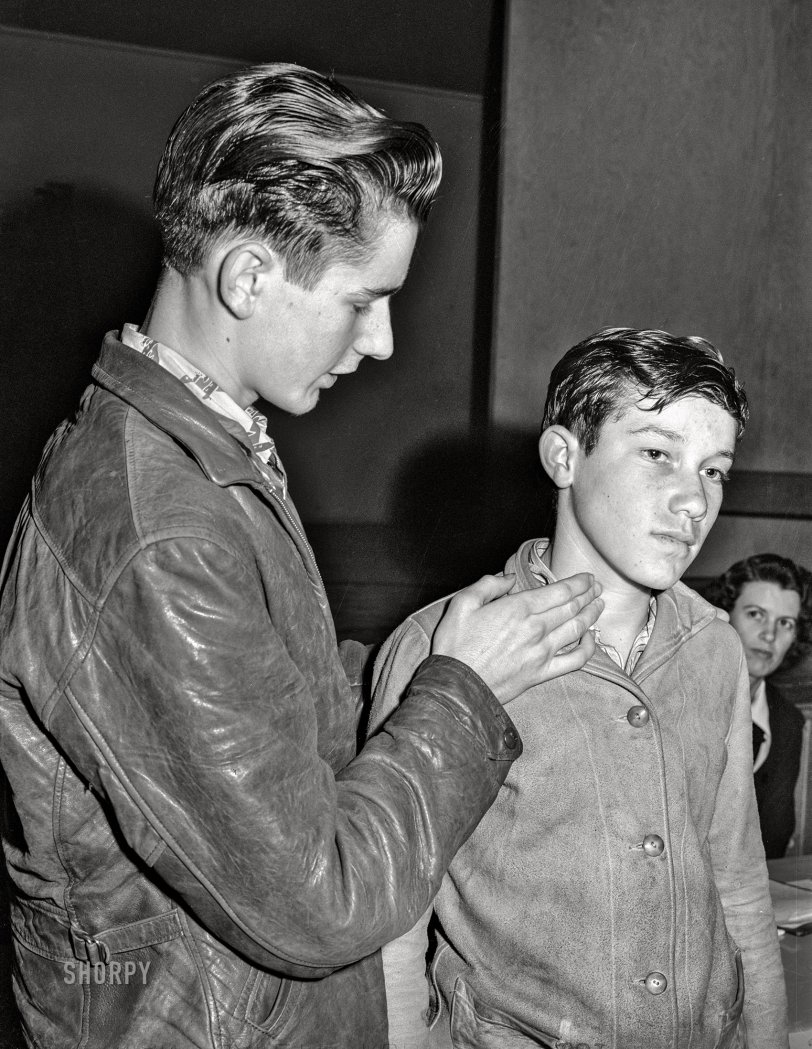
February 1942. Woodville, California. "FSA farm workers' community. Demonstration of 'pressure spot' to stop arterial bleeding at the first aid class." Medium format acetate negative by Russell Lee for the Farm Security Administration. View full size.
- 3 comments
- 5584 reads
Garden House: 1942
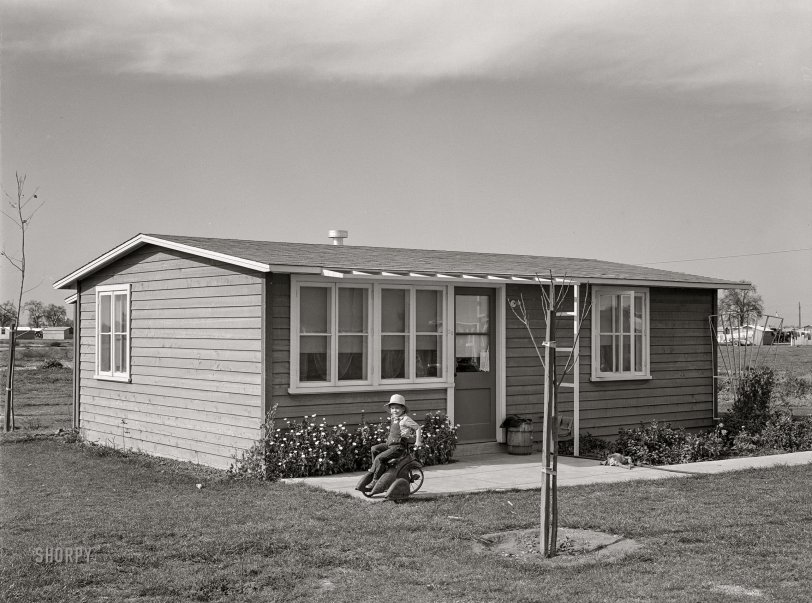
February 1942. Woodville, Calif. "FSA farm workers' community. Son of agricultural worker at their garden house." Photo by Russell Lee for the Farm Security Administration. View full size.
- 6 comments
- 7626 reads
Corporate Canyon: 1910
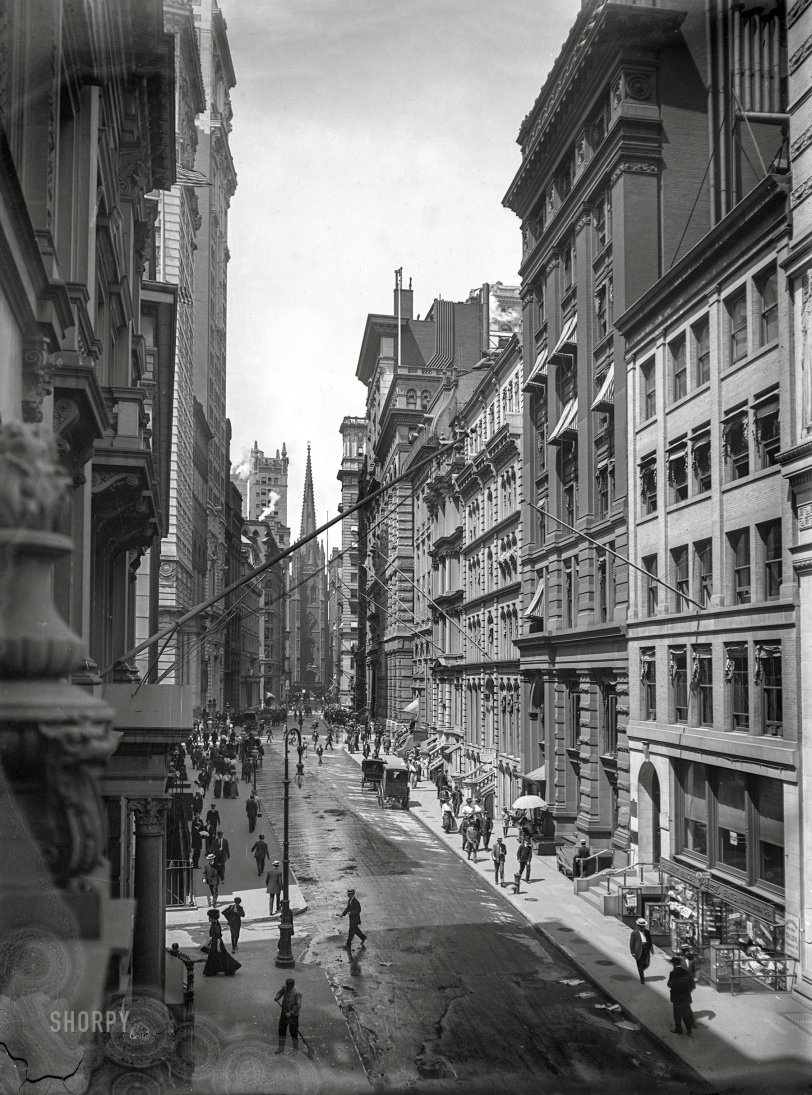
New York circa 1910. "View down Wall Street to Trinity Church." Its steeple sharing the Lower Manhattan skyline with the obelisk-topped "Chimney Building" at 1 Wall Street. 6x8 inch dry plate glass negative by Robert L. Bracklow. View full size.
- 4 comments
- 6690 reads
Movie Night: 1942
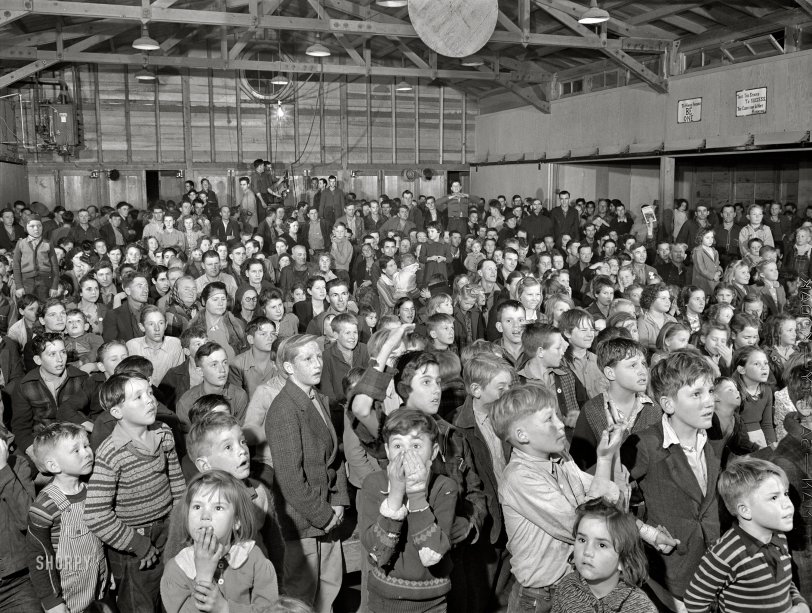
February 1942. "Tulare County, California. FSA farm workers' camp. At the movies." Not to be outdone by our previous FSA photo, we have two birders here, and three birds! Medium format acetate negative by Russell Lee for the Farm Security Administration. View full size.
- 13 comments
- 8629 reads
Bandits' Roost: 1888
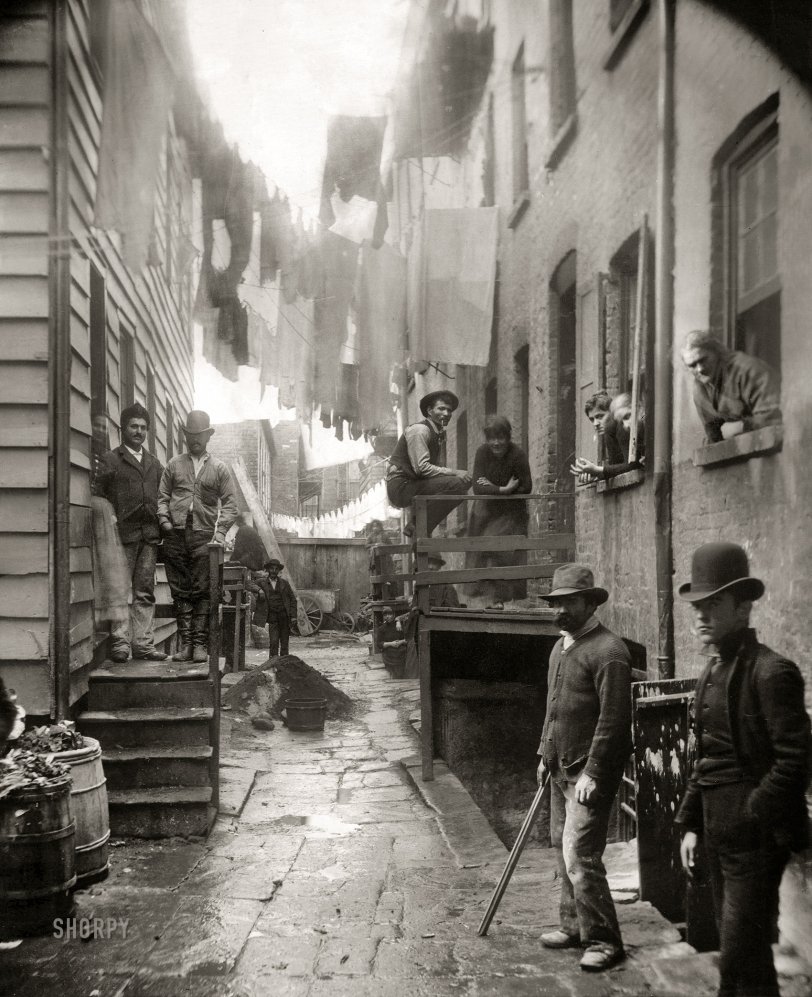
New York, 1888. "Bandits' roost, 59½ Mulberry Street (Mulberry Bend)." Gelatin silver print from a glass negative by the social reformer Jacob Riis (1849-1914). View full size.
- 13 comments
- 10051 reads

 Shorpy.com is a vintage photography site featuring thousands of high-definition images. The site is named after Shorpy Higginbotham, a teenage coal miner who lived 100 years ago. Contact us | Privacy policy | Accessibility Statement | Site © 2024 Shorpy Inc.